 BOS7-2
 DAL4-3-1
 WPG4-2-2
 STL3-4-1
 MIN6-2-1
 EDM6-1-1
 DET3-3-2
 SEA5-3-1
 FLA5-2-2
 OTT6-3
 PHI2-6-3
 BUF4-3-2
 ANA4-5
 NJD5-4
 PIT3-6-1
 NSH3-2-3
 NYR7-3-1
 TOR5-4-2
Playoff hockey is often described as a different sport. It is closer to the truth to say it is the same sport with the information advantage removed. By the third or fourth meeting, both coaching staffs have watched every shift the opponent has played. Nothing is a surprise. What remains is who executes a known plan more reliably, and who is willing to abandon one that is failing.
The matchup war
The home bench gets the last change, and in a tight series it uses that relentlessly. A coach protecting a lead will try to keep his best defensive pair on the ice against the opponent’s most dangerous line, and will spend a timeout or accept an icing to get it. The road coach’s counter is to shorten shifts, get the line he wants on during play, and force the matchup on the fly.
This is why a series can look tactically stagnant and still be moving. The lines are the same and the systems are the same, but the ice time is being redistributed shift by shift. A checking line that starts a series playing twelve minutes and finishes it playing sixteen has changed the series without scoring a goal.
Special teams stop being special
Penalty kills carry more weight in the postseason, not because they happen more often — they usually happen less — but because the margin is thinner. One power-play goal in a game that ends 2-1 is the difference between a series lead and a deficit. Teams respond by simplifying: fewer complicated entries, more retrievals, more shots from places where a rebound can actually be reached.
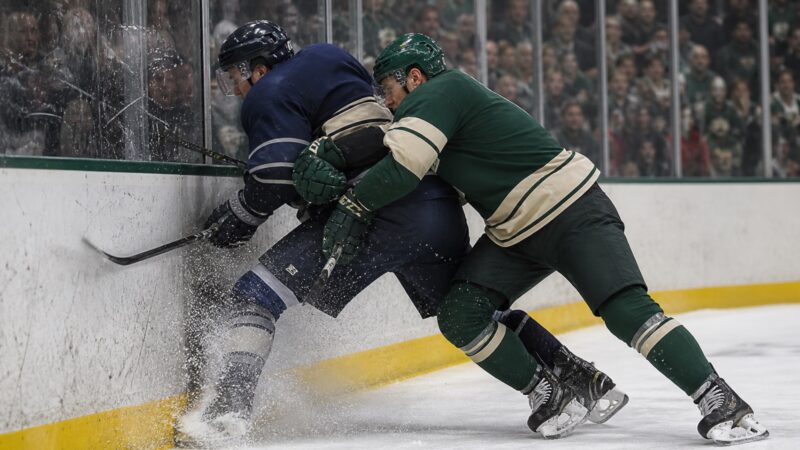
The discipline question follows directly. A club that takes retaliatory penalties in a physical series is handing its opponent the one repeatable advantage available to it. Coaches talk about composure for the same reason they talk about the forecheck — it is a system, and it either holds or it does not.
Nobody wins a playoff series with a secret. They win it by doing an obvious thing more reliably than the other team for two weeks.
The building is a participant
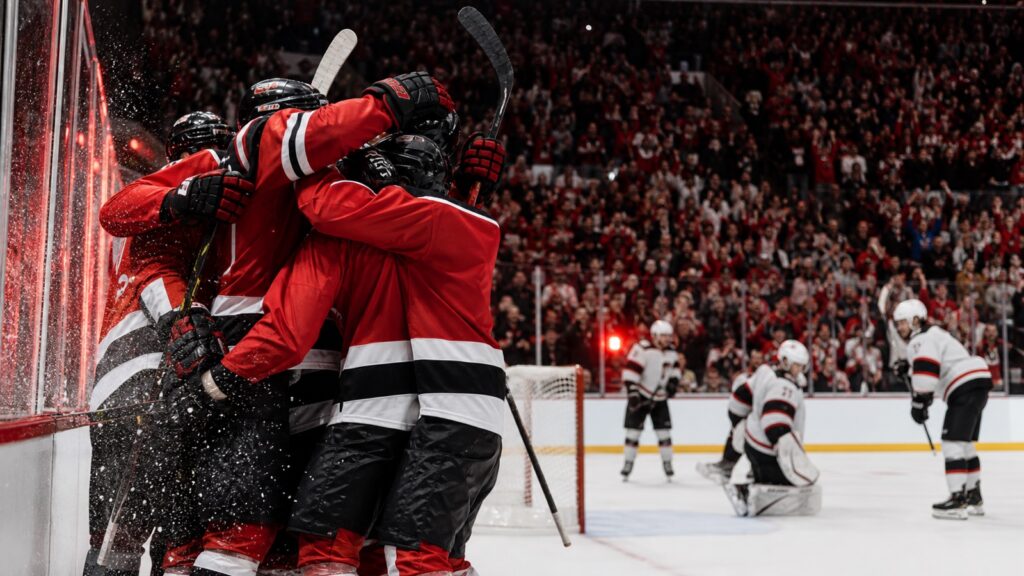
A goal at home changes the physical conditions of the game. The arena gets loud enough that on-ice communication has to become gestures and pre-agreed reads. The visiting bench has to settle a group that suddenly cannot hear itself, and the home bench has to avoid the trap of chasing a second goal and giving up the structure that produced the first.
That is where a celebration pile against the boards actually matters. The emotional swing is real, and the next two minutes usually reveal whether either plan survives it. The disciplined response to conceding is a clean shift: get the puck deep, change, reset. The undisciplined one is a rushed attack that produces a second goal against inside ninety seconds.
What to watch after a goal
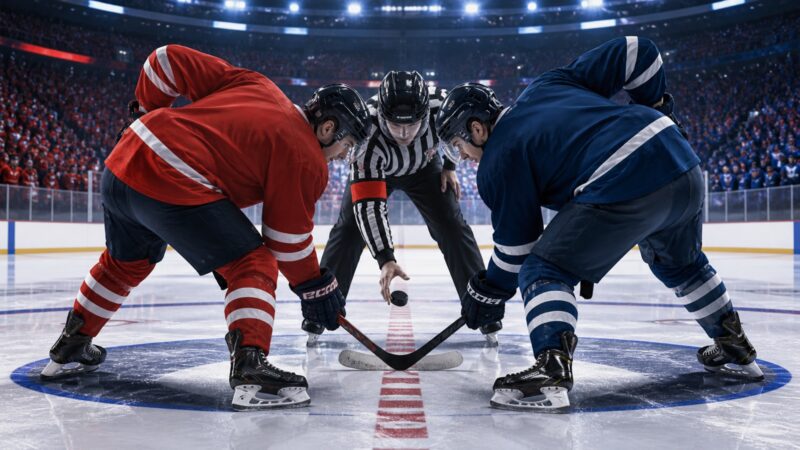
Ignore the replay and watch the next faceoff. Which line does each coach send out? Does the conceding team go to its most reliable defensive group or to its best scorers? Does the scoring team push or manage?
Those two shifts, repeated across a series, are the plan under pressure — and they explain more of the result than any highlight of the goal itself.