The first 100,000 miles are when a well-maintained car earns its reputation, and when neglect starts to show up as expensive bills. This guide lays out a typical schedule for a gasoline car, with notes for hybrids and EVs and a few adjustments for life in Southern California. Treat it as a map, and treat your owner’s manual or the car’s maintenance reminder as the final word on intervals.
Why LA driving counts as severe service
Many manuals define severe service as frequent short trips, stop-and-go traffic, extreme heat, dusty roads, towing or hilly driving. Plenty of local commutes tick several of those boxes. If you recognize your drive in that list, follow the shorter intervals in your manual rather than the optimistic headline figures.
The schedule at a glance
Every 5,000 to 10,000 miles, or as the manual says
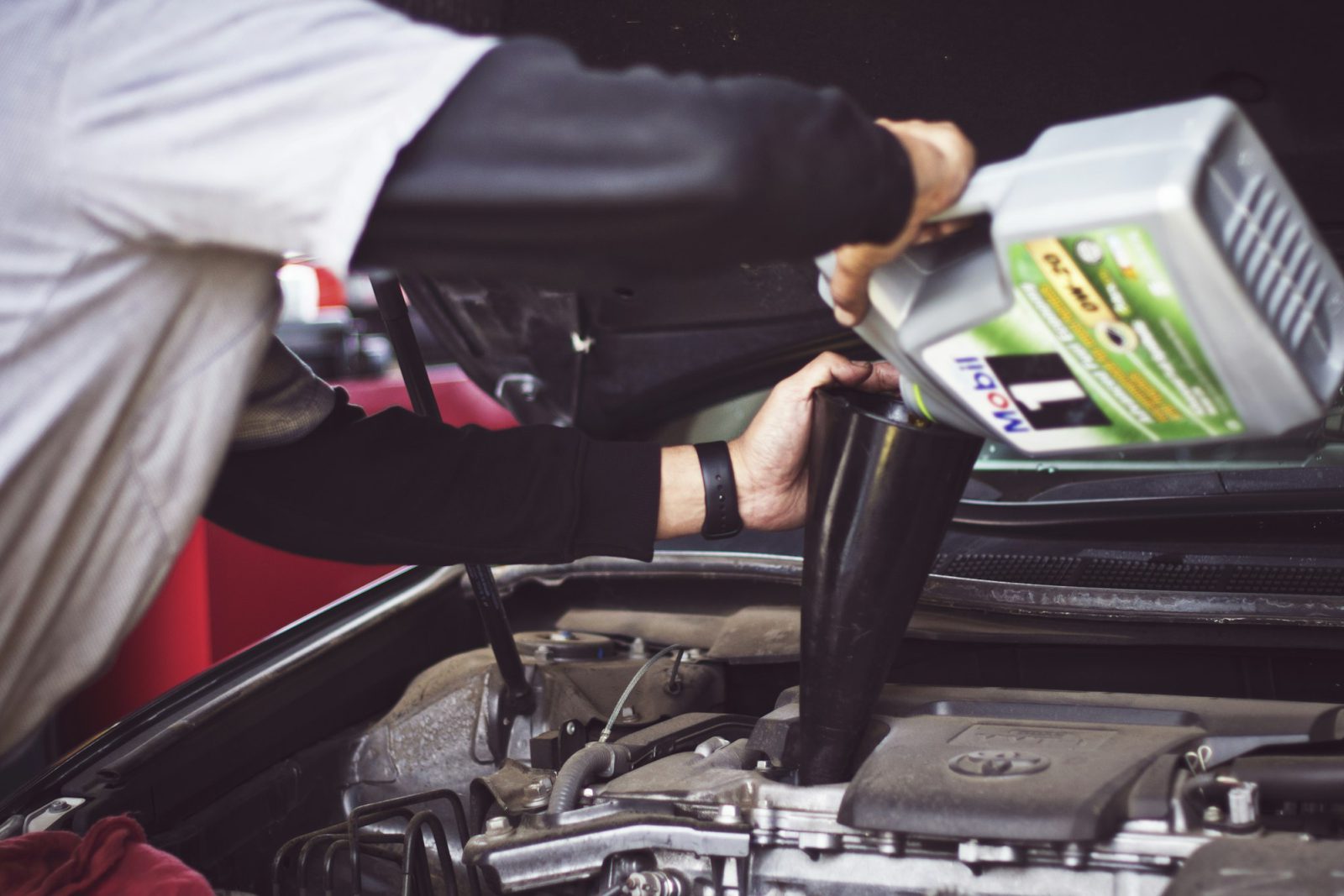
- Engine oil and filter, using the specified oil grade.
- Tire rotation, plus a check of tire pressure and tread.
- A quick inspection of brakes, fluid levels, lights, wipers and belts.
Around 15,000 to 30,000 miles
- Cabin air filter, and the engine air filter as needed. Smog and dust clog them faster.
- A wheel-alignment check if the car pulls or the tires wear unevenly.
Around 30,000 to 60,000 miles
- Brake fluid replacement. Many manufacturers recommend every two to three years regardless of mileage.
- Transmission fluid service, if your manual calls for it. Some lifetime fluids still benefit from a change on hard-used cars.
- The 12-volt battery as it nears four or five years old, since heat shortens battery life.
- New tires, which often wear out in this window.
Around 60,000 to 100,000 miles
- Spark plugs. Long-life plugs often run to around 100,000 miles, but check the manual.
- Coolant replacement, along with a hose and belt inspection.
- The timing belt, if your engine has one rather than a chain. This one is critical, because a failed belt can destroy an engine.
- An inspection of shocks, struts and suspension bushings.
The cheapest repair is the one that never happens. Fluids and filters are small bills that prevent big ones.
Hybrids and EVs
Hybrids still need oil changes and keep most of the engine schedule, but regenerative braking makes brake pads last longer. Full EVs have no oil, spark plugs or timing belt, which removes many line items. Still on the list are tire rotations (EVs are heavy and can wear tires faster), the cabin filter, brake fluid, coolant for the battery and power electronics, and wiper blades. Software updates are part of ownership too, and if the car offers a battery-health readout it is worth checking now and then.
Southern California specifics
- Sun and heat. UV fades paint and cracks dashboards. Park in the shade when you can, use a sunshade, and wax or coat the paint. Heat also ages rubber, hoses and batteries.
- Hills and traffic. Canyon roads and constant braking wear pads and rotors, so have the brakes inspected at every service.
- Potholes. A hard hit can bend a wheel or knock the alignment out. If the steering wheel sits off-center after a bad bump, get it checked.
- Smog. Check your registration notice for smog requirements, and never ignore a check-engine light.
Keep a simple log
Save every receipt, or keep a digital note with the date, mileage and work performed. A tidy log helps you spot overdue items, supports any warranty claim, and adds real value when you sell or trade the car. A buyer comparing two similar cars will usually pay more for the one with the paperwork.