Hurricane season runs from June 1 to November 30, and in South Florida it shapes how homes are built, insured and priced. Whether you are buying or already own, understanding what makes a home resilient will help you protect your family and lower your insurance costs.
The building code changed everything
After Hurricane Andrew in 1992, Miami-Dade County adopted some of the strictest building codes in the country. Homes built after 2002 under the Florida Building Code are generally much more resistant to wind than older homes. When you buy, the year of construction — and the year of the last roof — matter a great deal.
Features that make a difference
Impact windows and doors
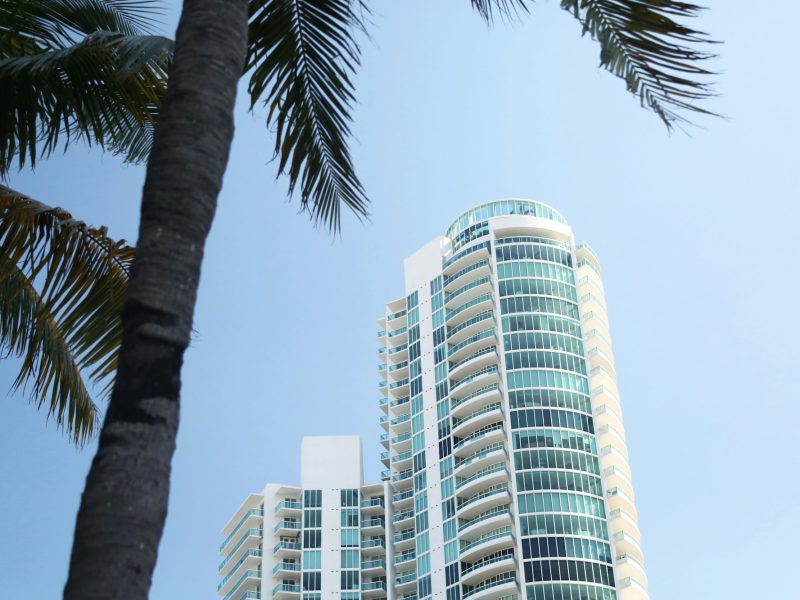
Impact-rated glass is designed to withstand flying debris and high winds without breaking. It protects the building envelope, keeps out water and means you don’t have to put up shutters before every storm. It also reduces outside noise and improves energy efficiency.
Roof
- Age: most insurers want roofs that are less than 15 years old for shingles and less than 25 for tile or metal.
- Attachment: hurricane straps or clips that tie the roof to the walls are essential.
- Secondary water barrier: a sealed roof deck helps prevent water damage if shingles or tiles are lost.
Elevation and flood protection
Wind is only part of the risk. Storm surge and heavy rain cause much of the damage. Check the home’s flood zone and its elevation certificate, which shows how high the lowest floor is relative to expected flood levels. Newer homes are often built higher, and some have flood vents and elevated mechanical equipment.
Backup power
A permanent standby generator keeps refrigeration, air conditioning and medical equipment running during outages. Many luxury homes and newer condo buildings include them as standard.
A wind mitigation inspection costs a couple of hundred dollars and can save you thousands on insurance every year. It is one of the best investments a Florida homeowner can make.
Marcus Ellison, Luxury Waterfront Specialist
Condos: what to ask
- Does the building have impact glass or hurricane shutters on every unit?
- Is there a building-wide generator, and what does it power (elevators, water pumps, common areas)?
- What does the association’s insurance cover, and what is your responsibility?
- Have the milestone inspection and reserve study been completed?
Insurance: how resilience saves money
Florida insurers offer discounts for wind-resistant features documented in a wind mitigation inspection, including roof shape, roof-to-wall attachment, impact protection and the type of roof covering. A four-point inspection (roof, electrical, plumbing and HVAC) is often required for homes older than 30 years.
A buyer’s checklist
- Year built and year of the last roof replacement.
- Impact windows and doors, or approved shutters for every opening.
- Wind mitigation report and four-point inspection.
- Flood zone and elevation certificate.
- Generator and fuel source.
- Insurance quotes before the end of your inspection period.
Retrofitting an older home
If you love an older house, many of these features can be added. Impact windows and doors are the most common upgrade, followed by roof replacement with modern fastening and a secondary water barrier. Garage doors are a frequently overlooked weak point; a wind-rated door is relatively inexpensive and protects the whole structure. Some homeowners also raise air-conditioning units and electrical panels above expected flood levels.
Ask contractors for product approvals and permits, keep every invoice and request a new wind mitigation inspection afterward so your insurer applies the discounts.
Preparing every season
Even the best-built home needs preparation: trim trees, clear gutters, test the generator, check your supplies and review your insurance policy before June. A resilient home gives you peace of mind — and, when a storm does arrive, it lets you focus on what really matters.
Shopping with storms in mind? Browse homes with impact windows, and ask any of our agents for a building’s latest inspection and reserve reports before you make an offer.