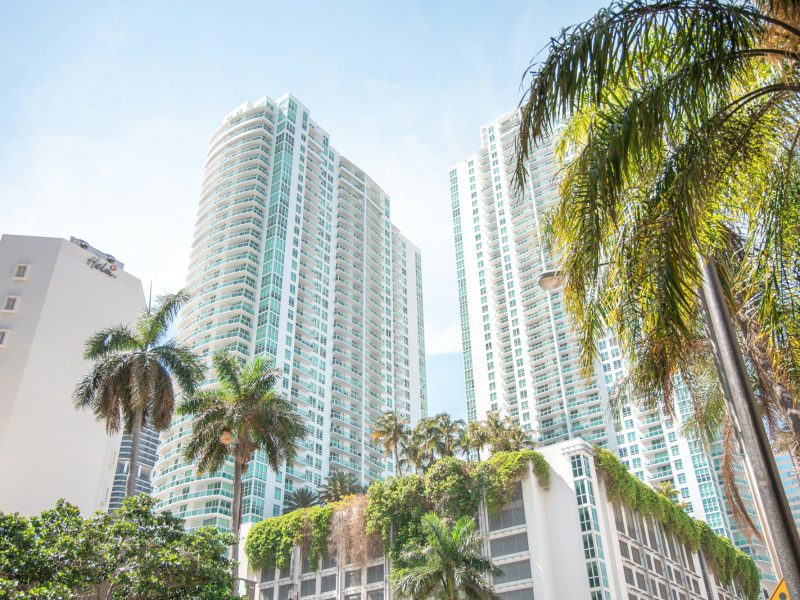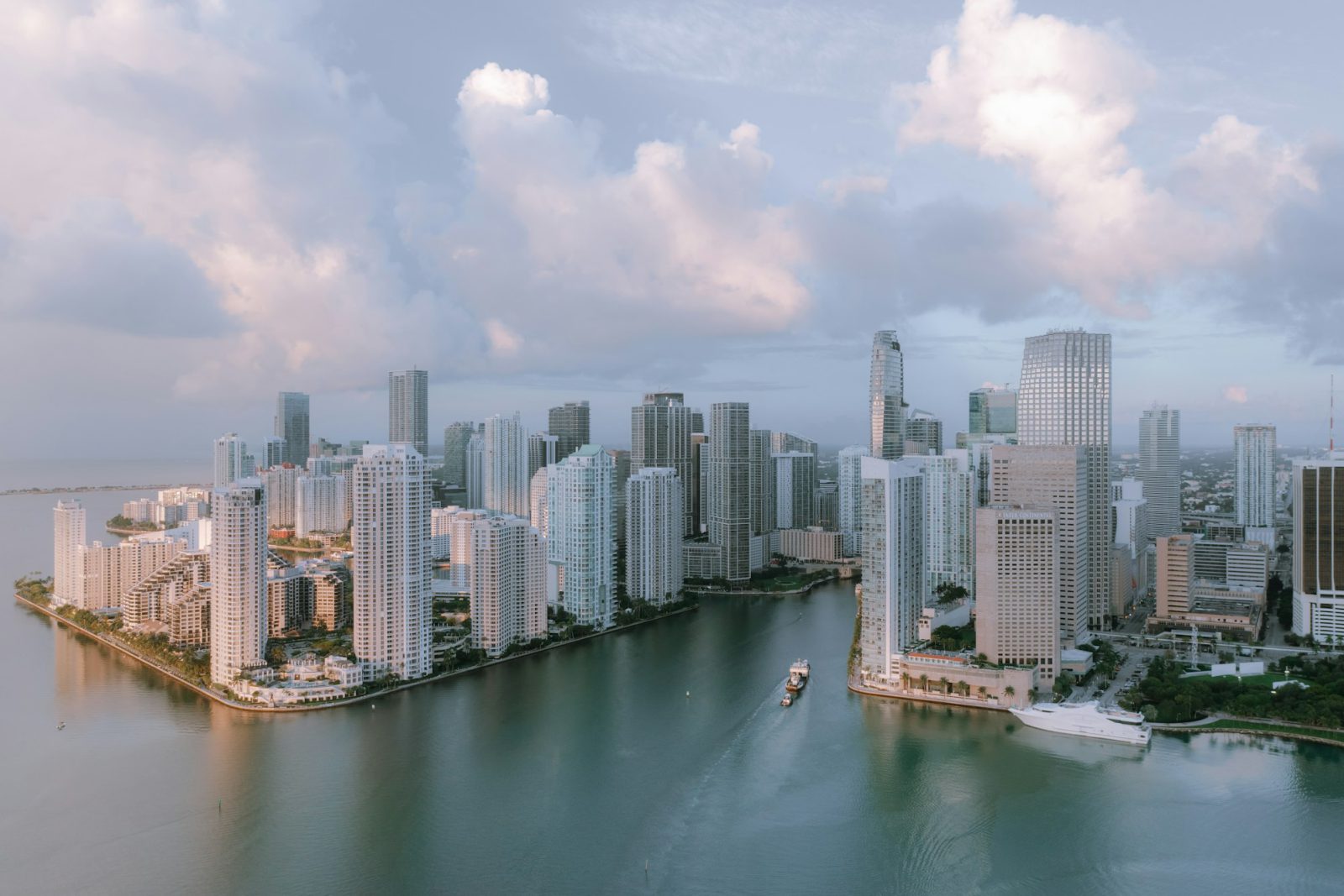
Twenty years ago Brickell was a banking district that emptied out at 6 pm. Today it is the most densely populated neighborhood in Florida, a forest of residential towers where you can walk from your lobby to a bayfront park, a grocery store, a Michelin-starred restaurant and the Metromover in less than ten minutes.
Here is what living in Brickell is really like, and how to find the right building.
The lay of the land
Brickell runs south from the Miami River along Brickell Avenue and Brickell Bay Drive, with Biscayne Bay to the east and the leafy residential streets of The Roads to the southwest. Brickell Key, a small gated island across a short bridge, sits at the mouth of the river.
The neighborhood has three distinct pockets:
- North Brickell, near the river and Brickell City Centre, is the busiest: shopping, nightlife and the newest towers.
- Brickell Avenue and the bayfront offer full-service luxury buildings with direct water views and a quieter pace.
- South Brickell and The Roads feel almost suburban, with townhouses, small apartment buildings and tree-lined streets.
What you get for your money
Brickell condos range from compact studios around $450,000 to bayfront penthouses well above $6 million. Most buyers land in the middle: a two-bedroom in a building with a pool, a gym and a 24-hour front desk typically costs between $750,000 and $1.4 million, depending on age, floor and view. Rents for a similar two-bedroom run from about $4,200 to $6,500 per month.
The view is the first thing everyone asks about, but the second thing should be the building’s reserves and the HOA budget. That is what determines what you will really pay to live there.
Daily life
Most residents walk or take the free Metromover for everyday errands. Brickell City Centre has a supermarket, a cinema and dozens of restaurants; Mary Brickell Village and South Miami Avenue add bars and cafés. Simpson Park and the Brickell Key loop are the go-to spots for morning runs, and the bayfront Underline park is slowly connecting the neighborhood to Coconut Grove by bike.
Getting around
- Metromover: free, elevated and connected to Downtown and Omni.
- Metrorail: Brickell station links to Coconut Grove, Coral Gables and the airport.
- Driving: I-95 and US-1 are minutes away, but rush-hour traffic on the Brickell Avenue bridge is real.
Pros and cons
Brickell’s strengths are obvious: walkability, amenities, views and a strong rental market for investors. The trade-offs are density, construction noise as new towers rise and HOA fees that can exceed $1,500 per month in full-service buildings.
Choosing the right building
With more than a hundred residential towers, Brickell rewards homework. Before you tour, narrow the field with a few questions:
- Age and reserves. Buildings completed after 2010 generally have newer systems and fewer surprises; older towers can be excellent value if their reserves are funded and the milestone inspection is behind them.
- Rental policy. Some buildings allow short-term rentals, others require twelve-month leases and board approval. If you are investing, this decides your strategy.
- Orientation. East-facing units look over the bay and get morning sun; west-facing units catch the sunset over the city and run warmer in the afternoon.
- Amenities you will actually use. A rooftop pool is wonderful, but a quiet gym, good package handling and reliable valet matter every day.
Our agents keep building-by-building notes on HOA trends, assessments and resale performance — ask for them before you make an offer.
Who it suits
Brickell is ideal for young professionals, couples, international buyers who want a lock-and-leave home and investors seeking strong rental demand. Families with young children often prefer the larger units in the bayfront buildings or the townhouses of The Roads.
Ready to explore? Browse every home for sale and for rent in Brickell, compare it with Downtown Miami next door, or ask our agents for a building-by-building comparison. Two homes on the market right now:
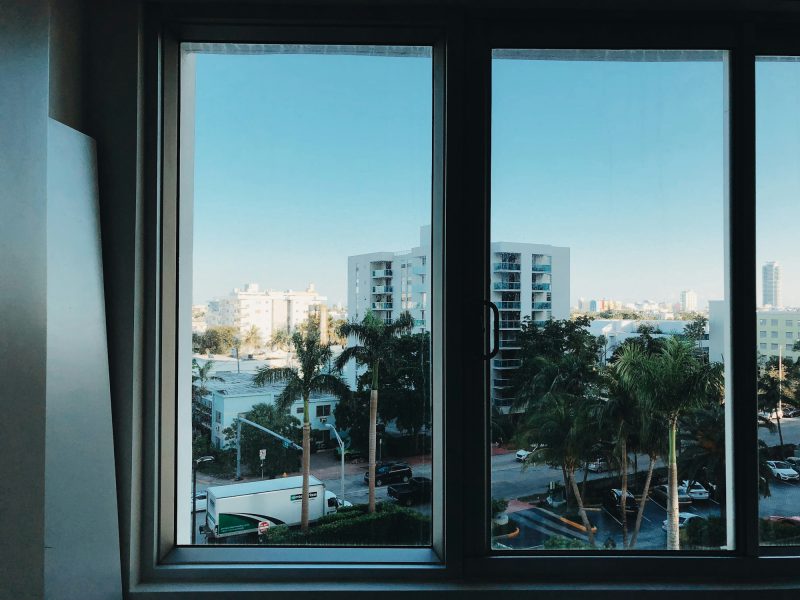
Furnished one-bedroom at Brickell City Centre
Brickell, Miami
- 1 bedroom
- 1 bathroom
- 820 sq ft
 Linh Tran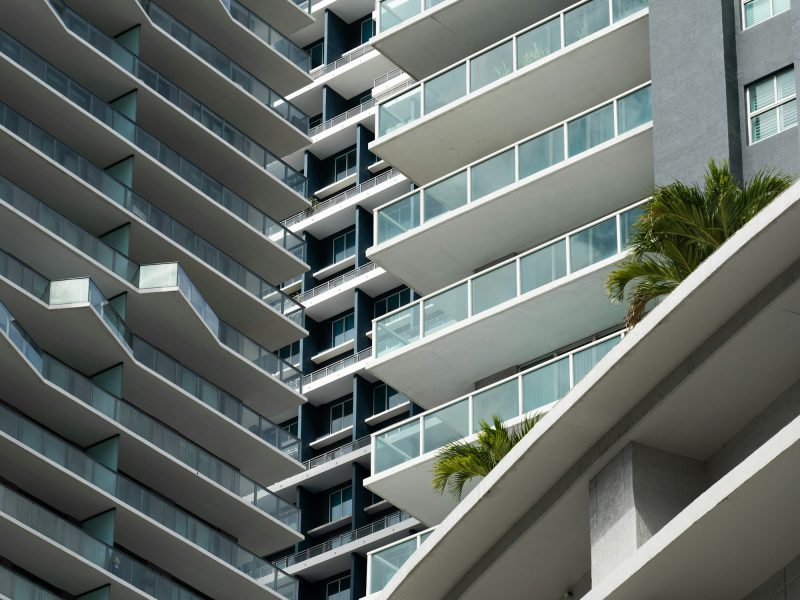
Light-filled two-bedroom near Mary Brickell Village
Brickell, Miami
- 2 bedrooms
- 2 bathrooms
- 1,120 sq ft
 Camila Duarte