Aerodynamic bodywork is the most visible technical change in modern road racing and the most frequently misdescribed. The winglets on the front of a prototype are not there to make the bike faster in a straight line — in isolation they do the opposite. They are there to change what the bike does when it is being asked to do something difficult.
The first job is keeping the front down
A powerful motorcycle accelerating out of a slow corner wants to lift its front wheel. Every time it does, the rider has to reduce throttle or the electronics have to intervene, and both cost drive at the exact moment drive is worth the most. Downforce at the front pushes back against that tendency, which lets the rider open the throttle earlier and hold it open longer.
The same effect appears under braking. A bike that is being pressed onto its front tyre can carry more braking force before the rear becomes light and starts to move around. The rider feels this as stability rather than as speed, which is one reason aerodynamic gains are so hard to see from trackside.
The cost arrives when the bike leans
Wings are designed to work with the bike broadly upright. Once it is leaned into a corner, the same surfaces are pointing somewhere less useful and the downforce they generate is no longer helping the tyres in the direction that matters. Worse, bodywork adds frontal area, and frontal area is drag everywhere, including the straight where the bike is supposed to be earning back the difference.
There is also a handling cost that riders describe more consistently than engineers can measure. A bike with significant aerodynamic load resists changes of direction, because the forces that make it stable in a straight line also make it reluctant to be turned. On circuits with quick left-right transitions this shows up as a bike that has to be muscled rather than steered.
Aerodynamics does not add grip. It adds load, and load is only useful where the tyre still has something left to give.
Why following got harder
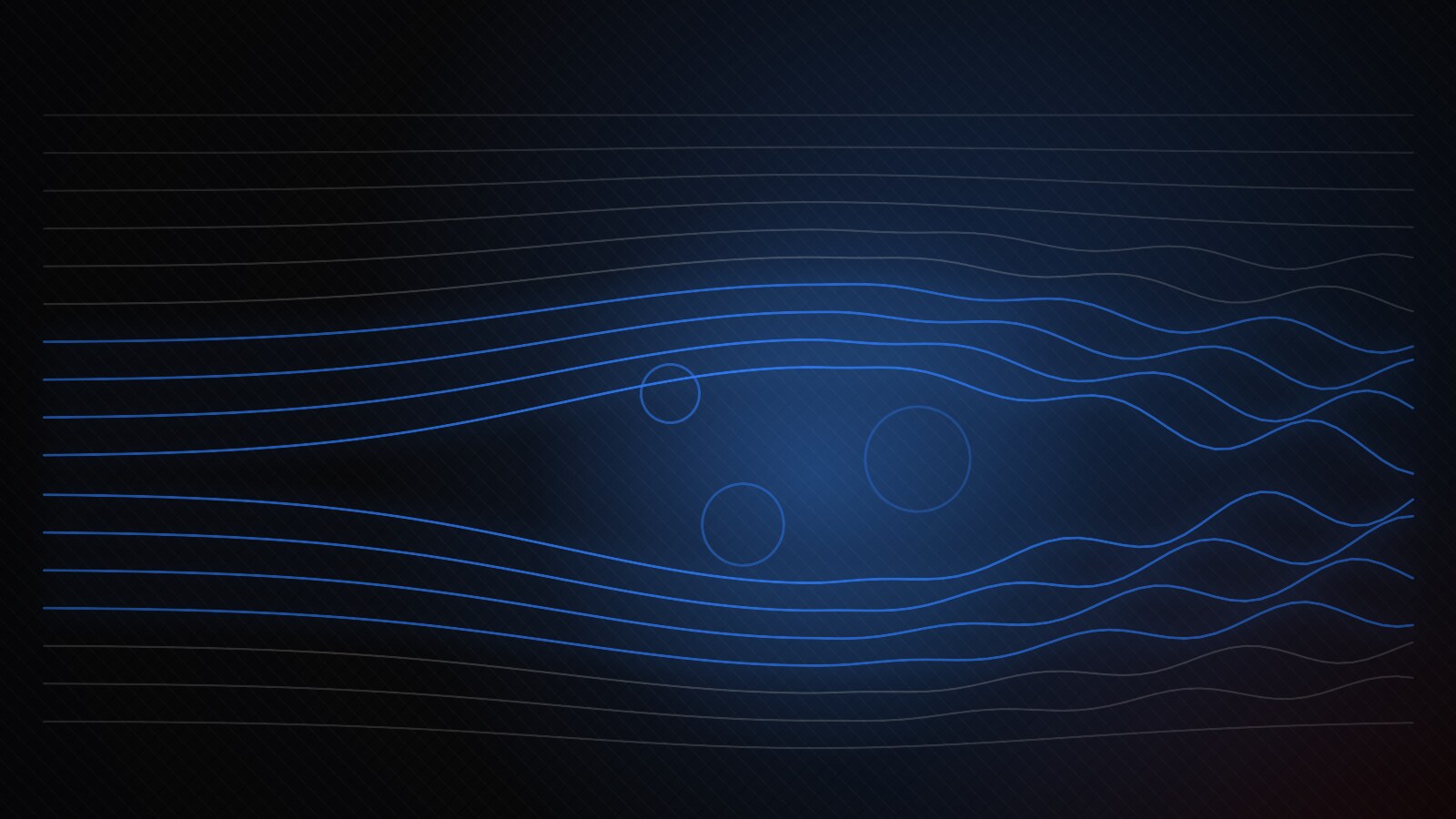
The most consequential effect is one nobody designed. A bike generating downforce leaves disturbed air behind it, and a rider who follows closely rides into that wake. The front loses some of the load it was relying on, the bike becomes vague on entry, and the cooling air the machine needs arrives already heated.
The result is a familiar shape to modern races: a rider can close to within a second comfortably, then finds the last few tenths cost more than the whole gap before them. Passing has not become impossible, but it has become more dependent on the braking zone and less available in the fast corners where it used to happen.
Ride height and the same argument by other means
Devices that lower the bike do a version of the same job mechanically. A lower centre of gravity reduces the tendency to wheelie, which again buys earlier throttle. The trade is that a bike sitting closer to the ground has less ground clearance and less suspension travel to work with, so the setup has to give something back elsewhere.
What to watch
Look at the exit of the slowest corner on the circuit: how early the throttle opens and how flat the bike stays. Then look at the fastest sequence of changes of direction, where the same bodywork is a liability. And when a chasing rider stalls three tenths behind for five laps without ever looking slower, you are watching the wake, not the rider.