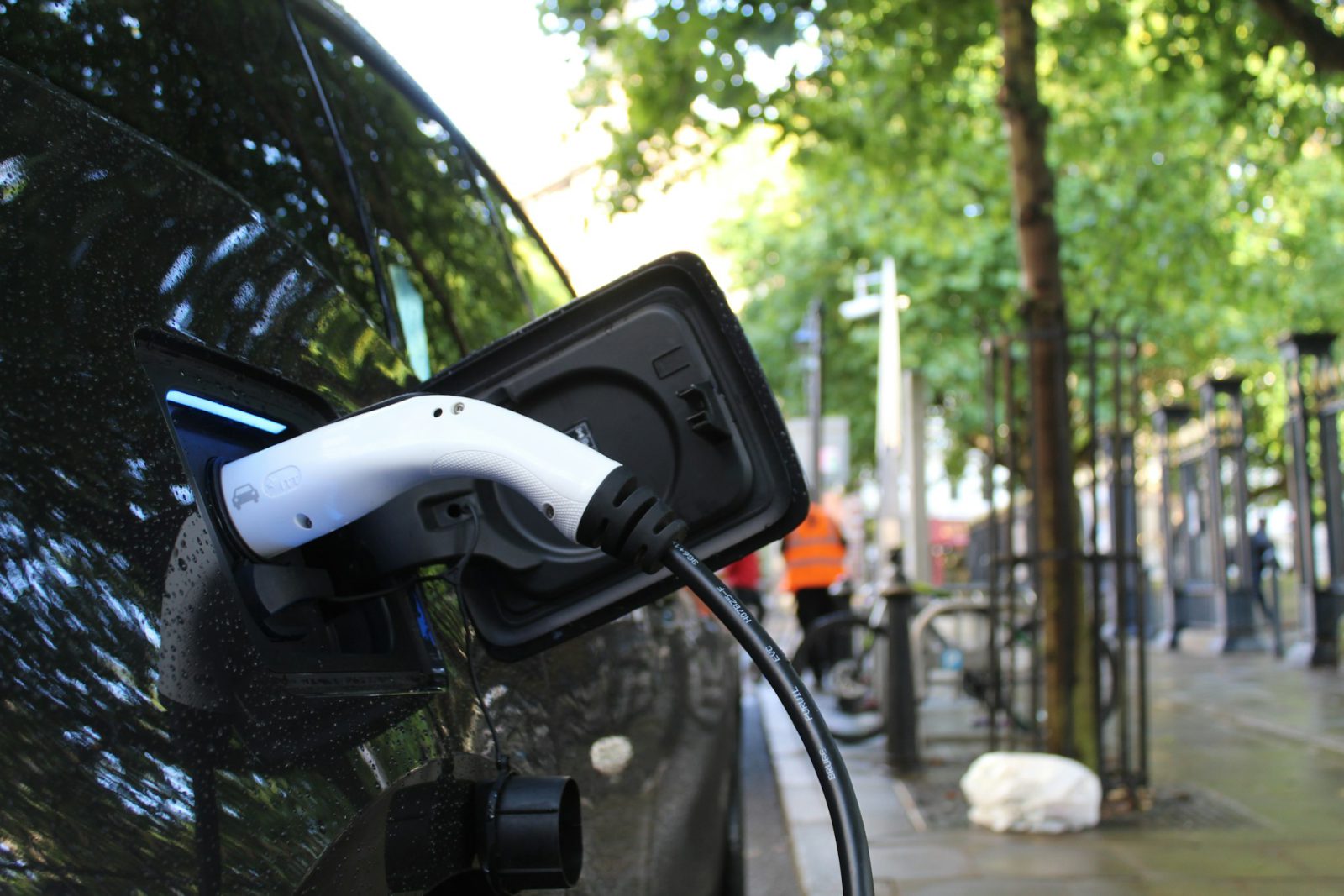
“I would love an EV, but I live in an apartment” is one of the most common objections in Los Angeles, and it is much easier to solve than it used to be. Plenty of apartment and condo dwellers charge at home, at work or close to home without drama. The trick is to work out which charging pattern suits your building and your routine.
Know the three charging speeds
- Level 1 (120-volt outlet). The slowest option, typically adding only a few miles of range per hour. It can be enough for a short commute if the car is parked overnight, and it needs no installation when an outlet is within reach.
- Level 2 (240-volt). The sweet spot for home charging, often adding somewhere around 20 to 40 miles of range per hour depending on the car and the charger. An overnight session usually refills a day’s driving many times over.
- DC fast charging. Public stations that can add a large share of the battery in roughly 20 to 40 minutes, depending on the car. Great for road trips and occasional top-ups, and usually pricier per kilowatt-hour than home charging.
Option 1: ask your building
Start with your landlord or HOA. California law gives many tenants and condo owners a route to request an EV charging station at their own expense, subject to conditions such as insurance and using a licensed installer. The rules have details and exceptions, so read the current requirements or ask a tenant-rights organization before you begin. Many buildings are more open to the idea than they used to be, and some are installing shared chargers. A short, polite email that offers to cover the cost often goes further than a demand.
Option 2: charge where you already go
- Work. Many employers and parking structures offer Level 2 charging, sometimes free or discounted.
- Grocery stores, gyms and shopping centers. Charging while you do something you were going to do anyway is painless.
- Curbside chargers. Los Angeles has added chargers on some streetlights and curbs, and availability varies by neighborhood. Charging apps will show what is near you.
You do not need a perfect home setup. You need a repeatable one.
Option 3: a hybrid routine
Plenty of apartment dwellers combine a weekly public session with opportunistic top-ups. If you drive 30 miles a day, for example, a single Level 2 or fast-charging visit per week may cover most of it. A plug-in hybrid can also be a forgiving bridge: plug in when you can and run on gasoline when you cannot.
What does it cost?
Using illustrative numbers, at about 24 cents per kilowatt-hour and 3.5 miles per kilowatt-hour, electricity costs roughly 7 cents per mile. A 28-mpg gasoline car at $4.65 a gallon works out to around 17 cents per mile. Your own rates will differ. Utilities such as LADWP and Southern California Edison have offered time-of-use plans that make overnight charging cheaper, and charger rebate programs have come and gone, so check their sites for current offers. Public chargers cost more than home charging, and fast chargers cost more than slower ones.
Before you buy: a quick checklist
- Where will the car be parked most nights, and is there an outlet nearby?
- Is there workplace charging, or a station within a short walk?
- What does your longest regular day require?
- Does the car support the charging speeds you will actually use? Check the connector type and maximum charge rate on the listing.
- Do you have a fallback? Know where the nearest fast charger is.
The team at an EV-specialist dealer can talk through your parking situation before you commit, and a short test drive with the charging app open is a good way to see how the whole routine feels.