The range figure on an electric car’s window sticker is a useful yardstick, not a promise. It comes from standardized testing, and real driving rarely matches the test exactly. The good news for Angelenos is that our climate and our distances are friendly to EVs. Here is what actually moves the number, and how to think about it for your own routes.
What changes your range
Speed
Aerodynamic drag grows quickly with speed. Cruising at 75 mph on the freeway uses noticeably more energy per mile than rolling along at 45 mph on surface streets, which is why many EVs do relatively well in city traffic and give back some range on long freeway stretches. As a planning habit, many drivers assume they will see roughly 70 to 85 percent of the rated range at sustained highway speeds, and about the rating, or better, in gentle city driving. Treat those as rules of thumb, not guarantees.
Temperature and air conditioning
Batteries like mild weather, and Los Angeles has plenty of it. Cold is harder on range than heat, so we are spared the worst winter losses seen in colder states. Summer afternoons are different: running the air conditioning hard in a car that has been baking in the sun does use energy, though usually less than cabin heating does in a freezing climate. Preconditioning the cabin while the car is still plugged in helps.
Hills, load and tires
- Climbs such as the Sepulveda Pass or the Grapevine cost energy going up and return some of it on the way down through regenerative braking.
- Roof racks, bike carriers and a full load add drag and weight.
- Larger wheels and wider tires usually reduce range compared with the smaller wheel option on the same model.
- Battery age slowly trims capacity, so a used EV should be checked for battery health.
The number that matters is not the one on the sticker. It is how many miles you need on your busiest normal day.
How far do LA drivers actually go?
A commute from Pasadena to Santa Monica, or from Torrance to downtown, is typically a small fraction of a modern EV’s range. Most local drivers can commute, run errands and still arrive home with room to spare, charging overnight a few times a week rather than every day. A trip to Palm Springs or Santa Barbara is usually well within a single charge for longer-range models, while Las Vegas or the Bay Area calls for one or two fast-charging stops.
Charging speed matters as much as range
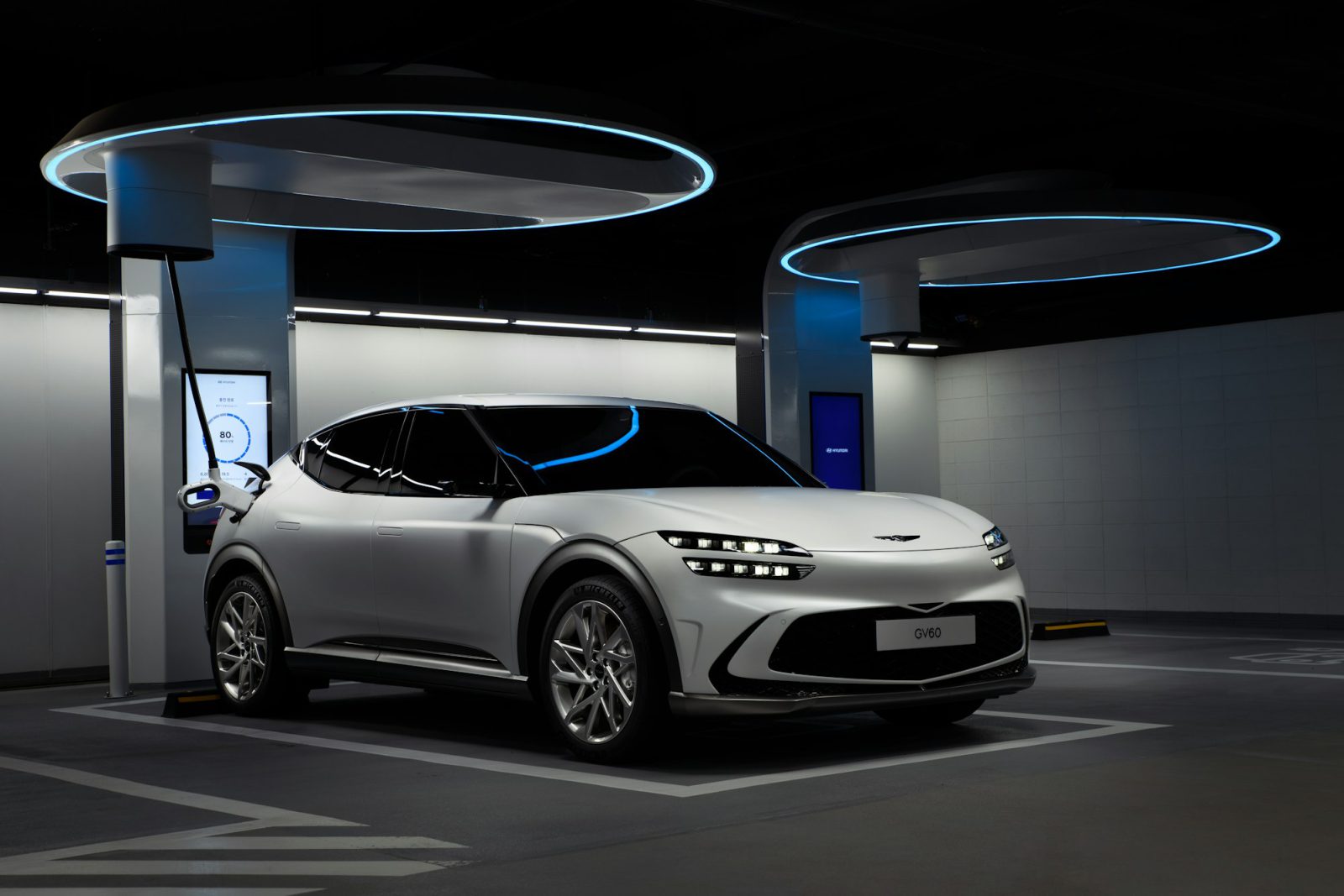
A car with a modest range that charges quickly can be easier on a road trip than one with more range that charges slowly. Look at the listing’s 10 to 80 percent fast-charge time rather than only the headline range. Charging tapers as the battery fills, so plan on unplugging at around 80 percent on the road rather than waiting for 100.
A simple way to size your range
- Add up your longest regular day, including errands and the detour you always forget about.
- Multiply by 1.5 to leave a buffer for weather, traffic and surprises.
- Compare that figure with about 70 percent of the rated range.
- If the margin is comfortable, the car will suit you. If it is tight, look at a longer-range trim or consider a plug-in hybrid.
Every EV on Driveway shows its rated range, battery size and fast-charge time, plus a running-cost estimate based on local electricity prices. Start with those numbers, then test-drive with the energy display visible and watch how it behaves on your own commute. Ten minutes of honest observation will teach you more than any brochure.