




















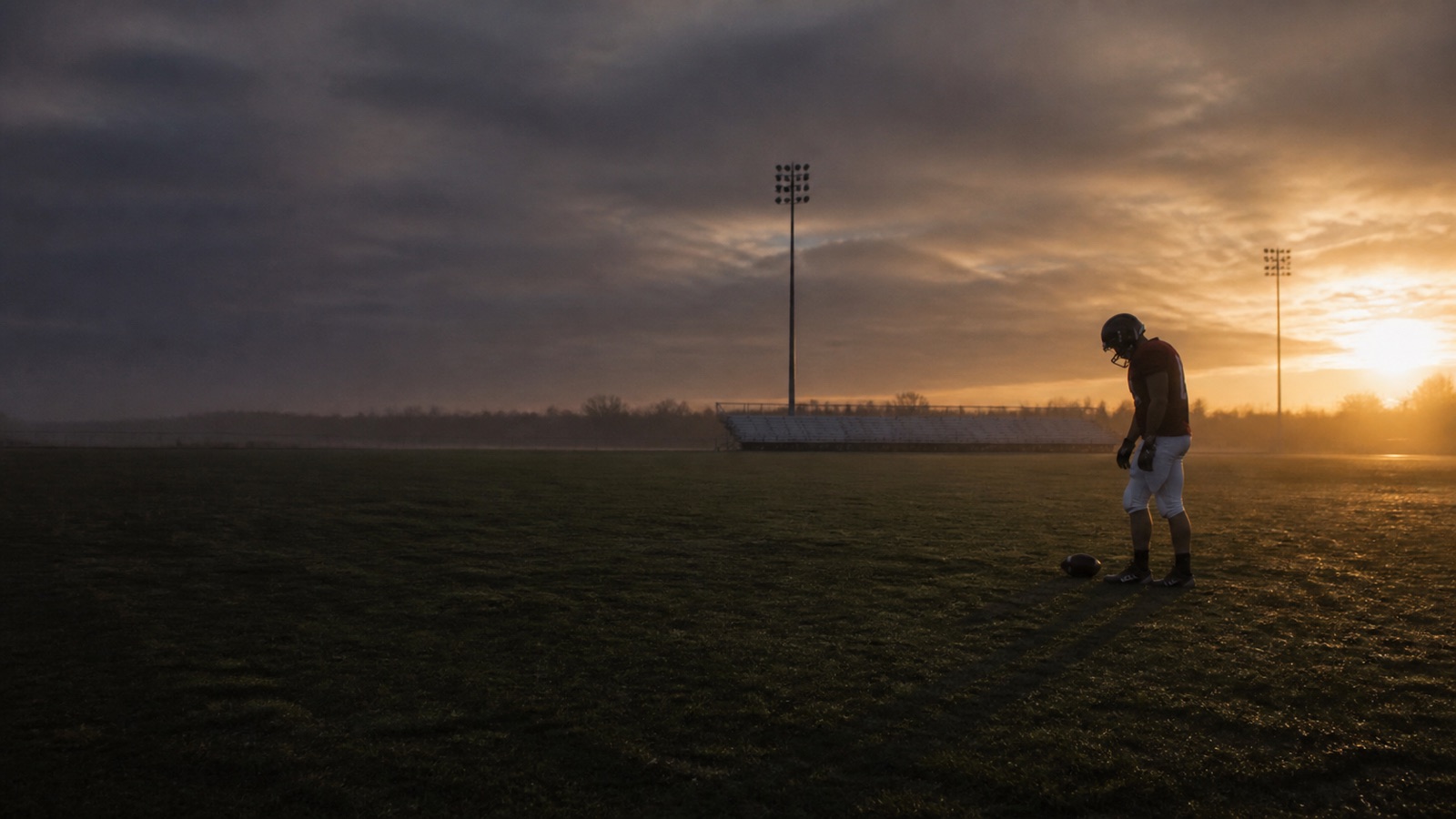
The field is empty at first light and will stay that way for another hour. What happens on it between now and the end of the week is the least visible and most determinative part of professional football: a compressed, heavily structured process that turns a blank sheet into a game plan and then makes a group of people fluent in it.
The week has a shape
Most weeks follow the same rhythm regardless of opponent. The early days are for tendencies and the base plan. The middle of the week carries the heaviest work, when the situational packages are installed. The end of the week is short, sharp and largely mental. By the final full practice nothing new is being added — the team is rehearsing what it has already decided.
The reason for that order is physical. Players cannot practise at high intensity every day and also play a game, so the volume has to be concentrated where it does the most good and tapered before it starts doing harm. A staff installing a new concept late in the week has usually admitted the plan was not ready.
Situations, not plays
Much of the week is spent on circumstances rather than on plays. Third and short. Backed up inside the ten. The two-minute drill. Four-minute offence with a lead. Each has its own small library of calls, and each is rehearsed separately, because the cost of thinking about it for the first time during a game is measured in timeouts and points.
The most valuable of these are the rare ones. A team practises the end-of-half sequence every week and may genuinely need it eight times a season. The alternative is improvising in the one situation guaranteed to be watched closely by everybody.
Nothing is invented on Sunday. The plan is finished by the last full practice; the game is an examination of how well it was learned.
The scout team does the hardest work
Reserve players spend the week imitating the opponent — running their formations, their motions, their pressures — so the starters see something close to what is coming. It is thankless, and it is the entire mechanism by which preparation transfers. A defence that has spent three days against a convincing imitation of an opponent’s protection recognises it instantly. One that saw a rough approximation will spend the first quarter learning it live.
The quality of that imitation is a real competitive variable, and one of the few places where roster depth changes a game without anybody from that group taking a snap in it.
Walkthroughs are where errors are cheap
The slowest part of the week is the most efficient. Walking through alignments and adjustments at low speed lets a team make and correct mistakes at no physical cost, which means it can cover far more material than a full-speed practice could. Most of the communication problems that would otherwise surface on Sunday are found and fixed at walking pace on a Thursday.
What Sunday actually tests
Game day is not a test of talent alone. It is a test of how much of the week survived contact, and the first drive usually reveals it. A team that comes out with its opening script running cleanly and its adjustments arriving quickly had a good week. One that looks unsure of its assignments for a quarter had a plan that never got past the meeting room.
The empty field at dawn is where that is decided, several days before anyone keeps score.