










Every coach says he wants to play fast, and almost every team can sprint. The distinction that actually shows up on the scoreboard is narrower than effort: it is whether the first two seconds after a stop are spent deciding, or spent looking for somebody who has already decided.
Pace begins before the rebound is secured
The teams that play genuinely fast tend to be the ones whose guards leave early. As the shot goes up, one player is already turning, reading the flight, and moving toward the outlet rather than the glass. That is a gamble on the rebound being won without him, and it is only affordable for a team whose big men can finish a possession alone.
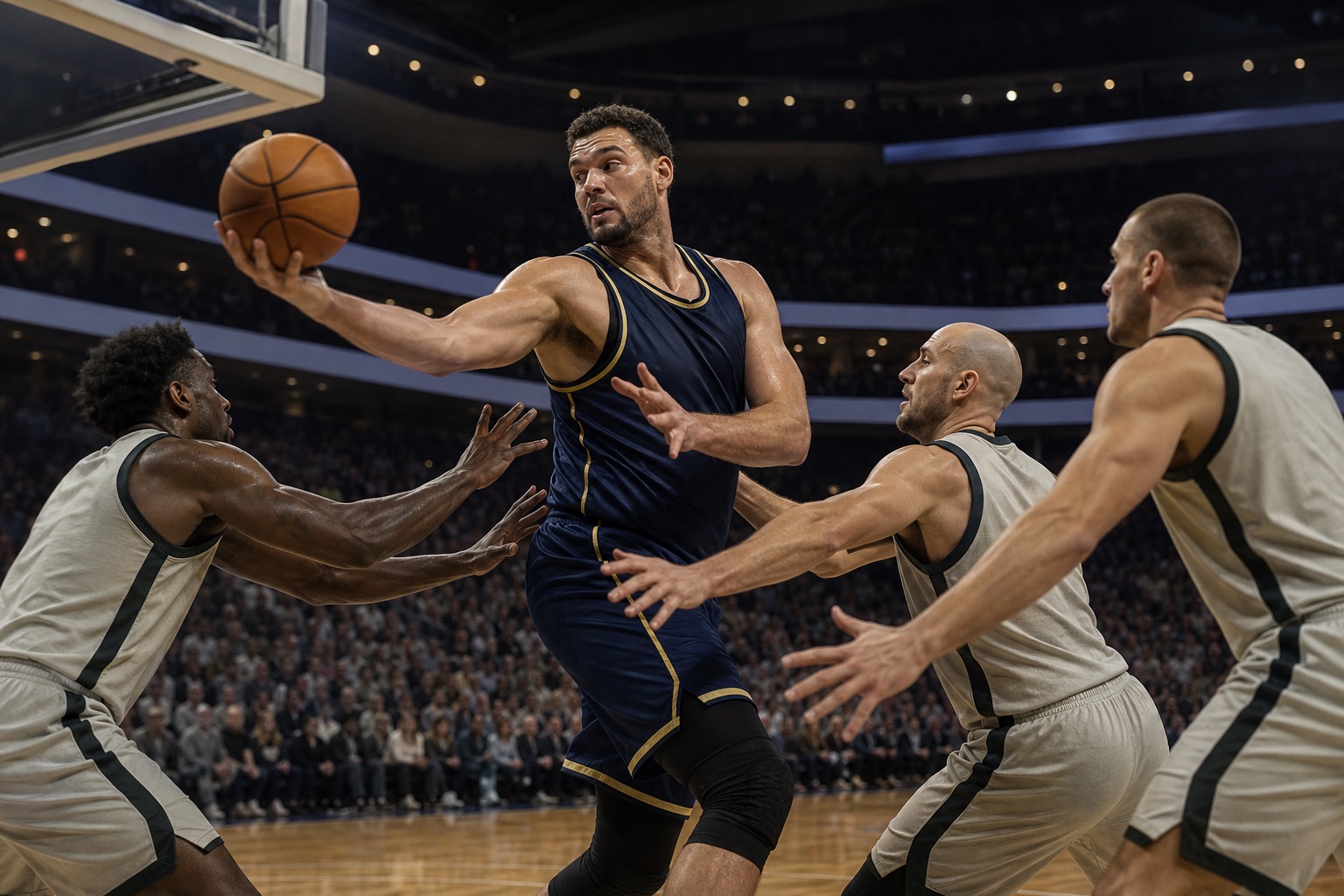
The outlet pass is the second decision. A rebounder who takes a dribble to steady himself before looking upcourt has usually given the defence enough time to match up. One who turns and throws in the same motion has converted a defensive stop into a numbers advantage that the offence did not have to create.
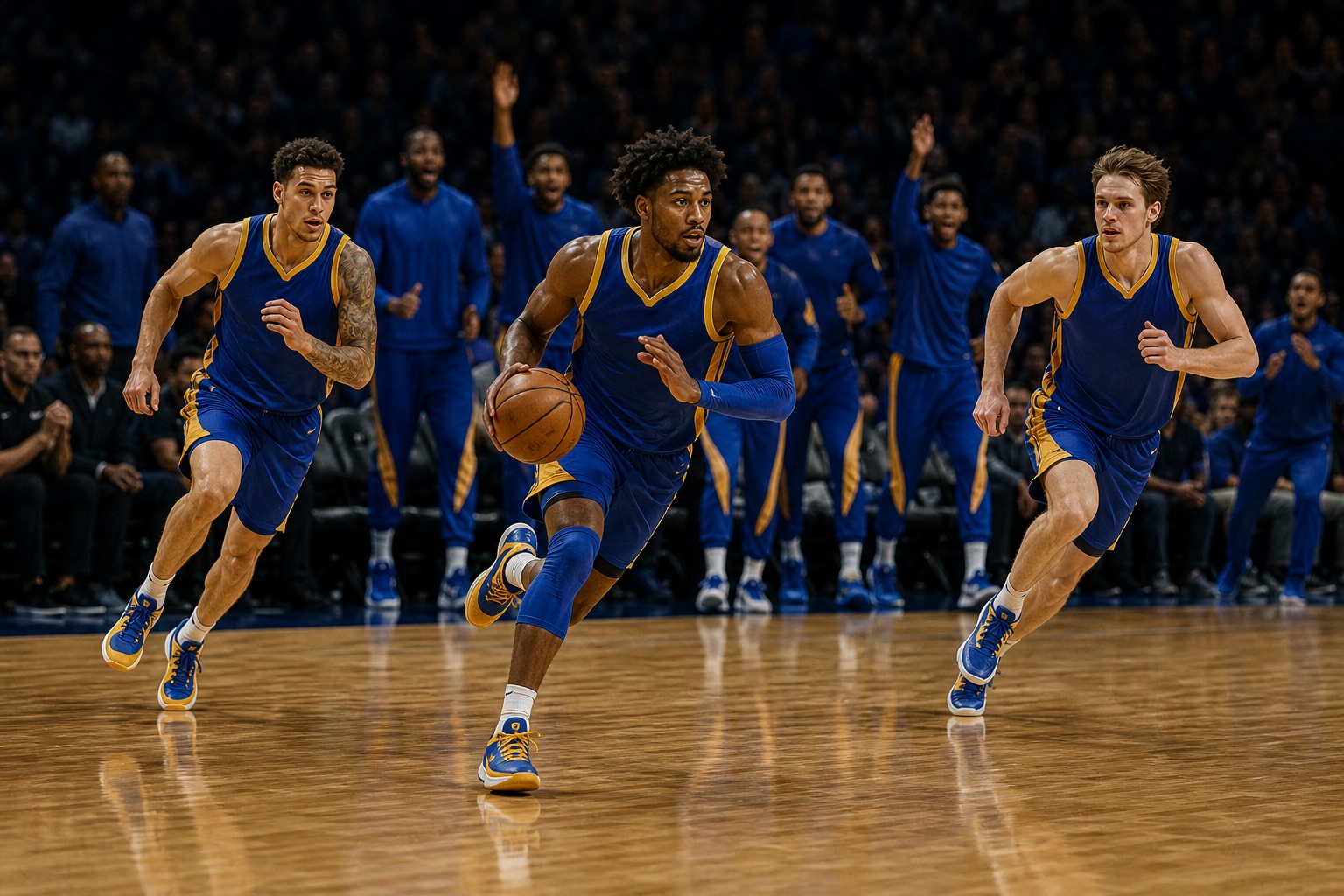
What follows is not really a fast break in the old sense. It is a sprint to a spot. Modern transition offence is mostly about arriving at the correct positions before the defence can assign anybody: shooters to the corners, a runner to the rim, the ball in the middle of the floor with two options on either side.
Why bench units are so often the fastest
Second units run for a structural reason as much as a stylistic one. A group without a dominant scorer cannot reliably manufacture a good shot against a set defence, so its best chance of a clean look is to attack before the defence becomes one. Pace, for those five players, is not a preference. It is the plan.
It is also a way of turning defensive pressure into offence. A unit that presses full court, traps the ball handler, or simply forces the first pass to be made under duress is generating the sort of turnover that starts a break with the defence already scattered. The pressure and the pace are the same idea, applied at both ends.
Fast is not a tempo. It is the number of seconds between a defensive stop and the moment somebody has decided what happens next.
The bill arrives later
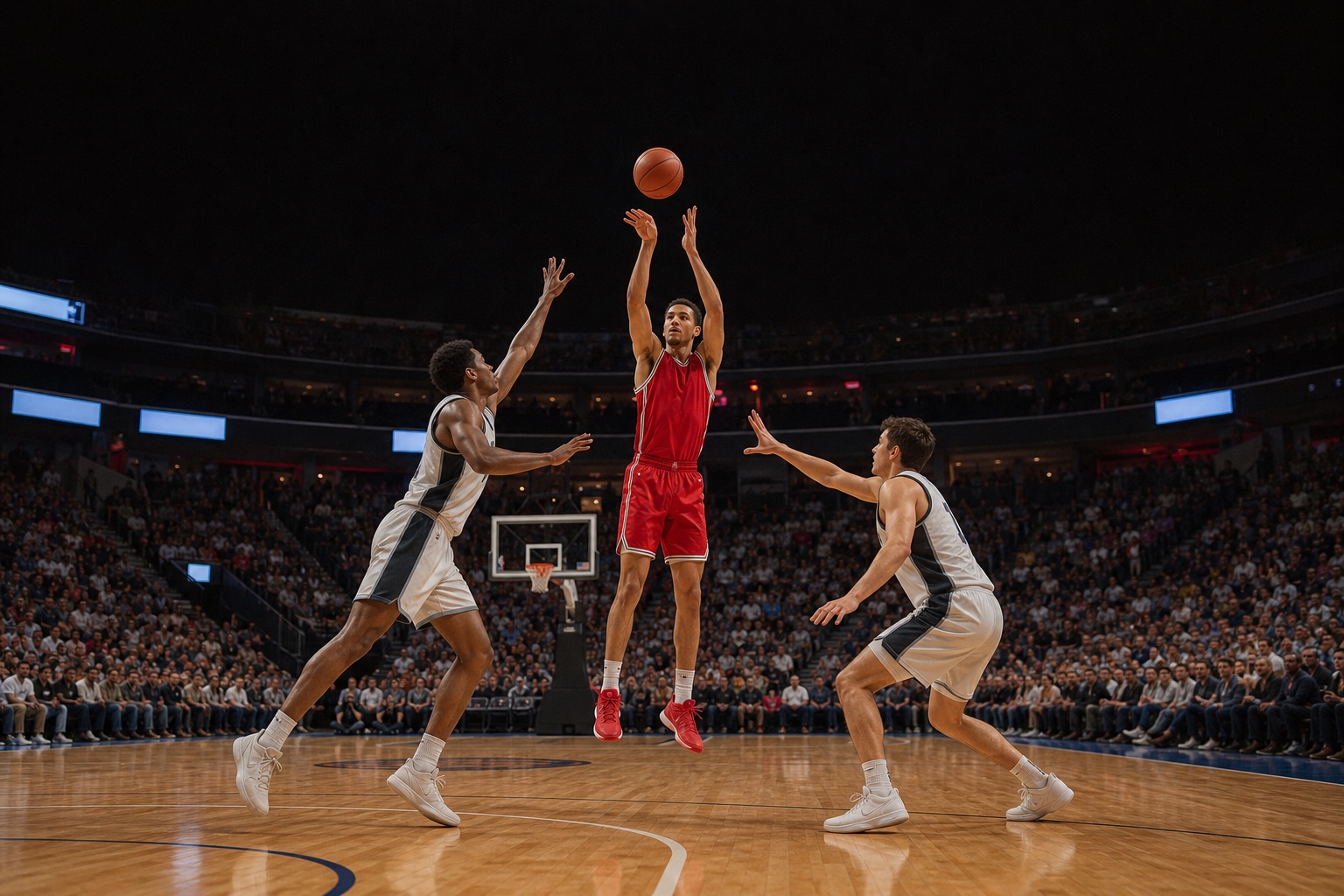
Running has costs that show up in the fourth quarter. A team that sends three players ahead on every rebound will be outnumbered on the glass at the other end, and a team that presses for long stretches will find its rotation thinner than it planned by the final six minutes. Both are survivable, and both have to be budgeted.
The failure mode is the group that sprints without a destination. Five players running the floor without agreed spacing is not pace, it is congestion, and it usually ends in a rushed shot that hands the opponent an easier break in return. Speed without geometry is simply an early bad possession.
What to watch tonight
Start a mental count when a defensive rebound is secured and stop it when the ball crosses half court. Then watch where the other four players are standing at that moment. If the corners are already filled and somebody is running to the rim, you are watching a fast team. If everyone is still ahead of the ball looking for it, you are watching a team that runs.