










For a decade the midrange jumper was the shot everyone agreed to stop taking. It was inefficient, it was replaceable, and the arithmetic behind that conclusion was sound. Then the clock ran under four minutes, the defence stopped allowing anything else, and the shot came back — not for everyone, but for the players a team trusts with a possession it cannot afford to waste.
Efficiency is a season statistic. Games are not.
Shot-selection math is an argument about volume. Across a full season, replacing a long two with a three or a rim attempt is obviously correct, because across a full season a team gets to take the average. Inside a single possession there is no average. There is one defence, one clock, and one shot that is actually available.
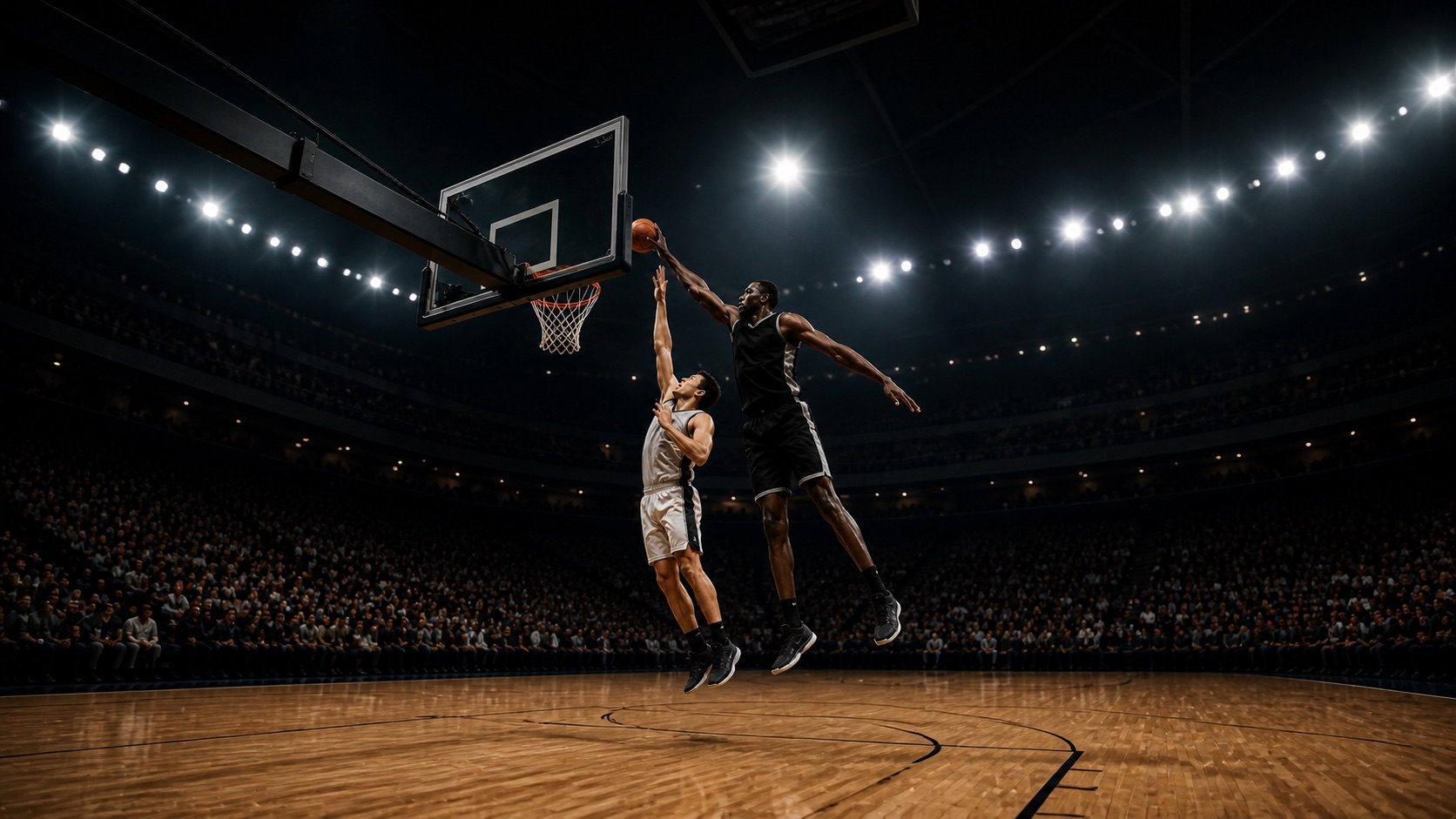
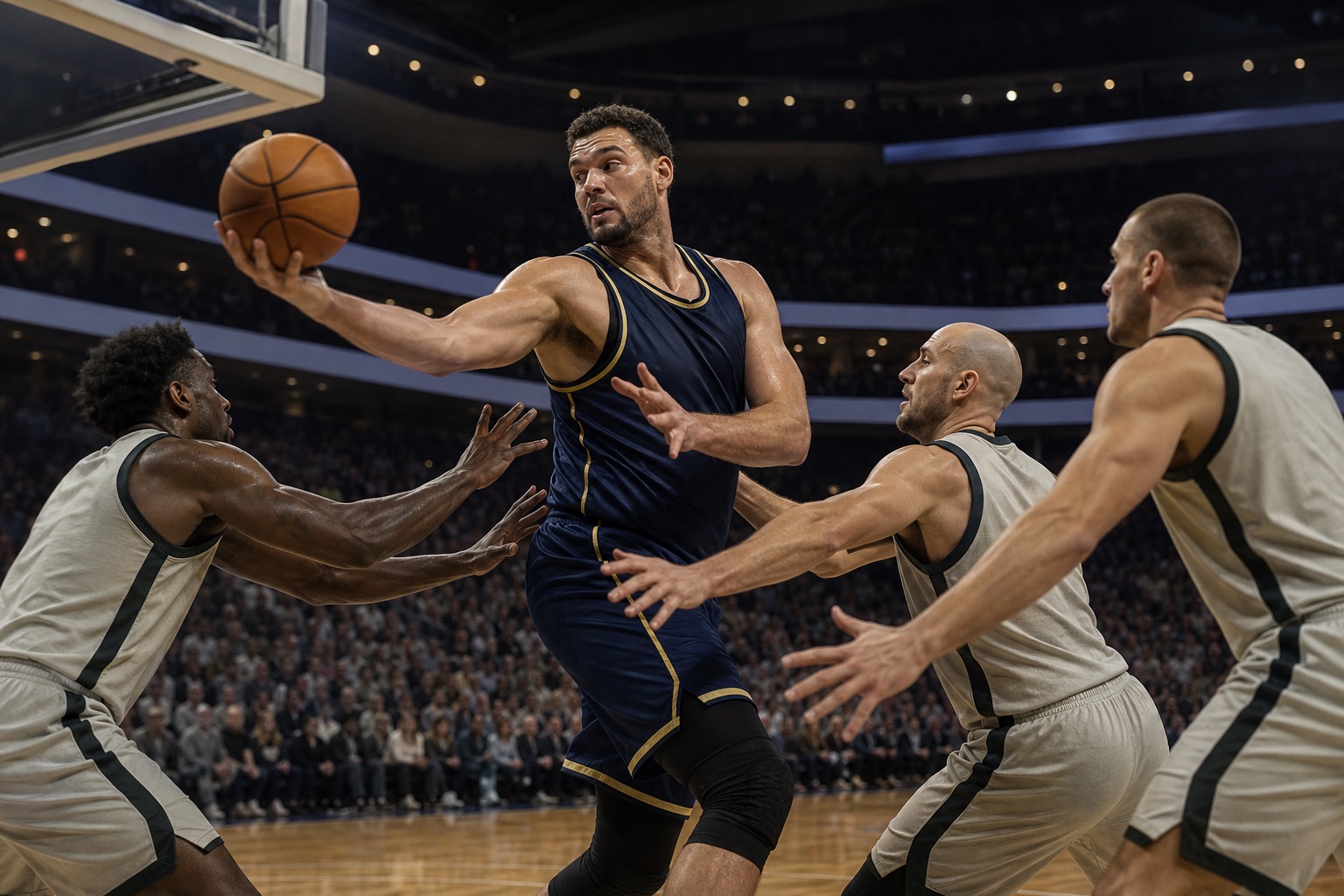
Late in close games, defences stop guarding the average. They switch everything, they take away the rim, they run shooters off the line and force the ball into the exact area the analytics department spent the summer trying to abolish. A team with nobody who can score from there has been reduced to hoping the first option gets loose.
This is why the shot has concentrated rather than disappeared. It has moved from role players, who never should have been taking it in bulk, to the handful of players whose accuracy from that range is high enough to survive the comparison — and who are being guarded closely enough that nothing better exists.
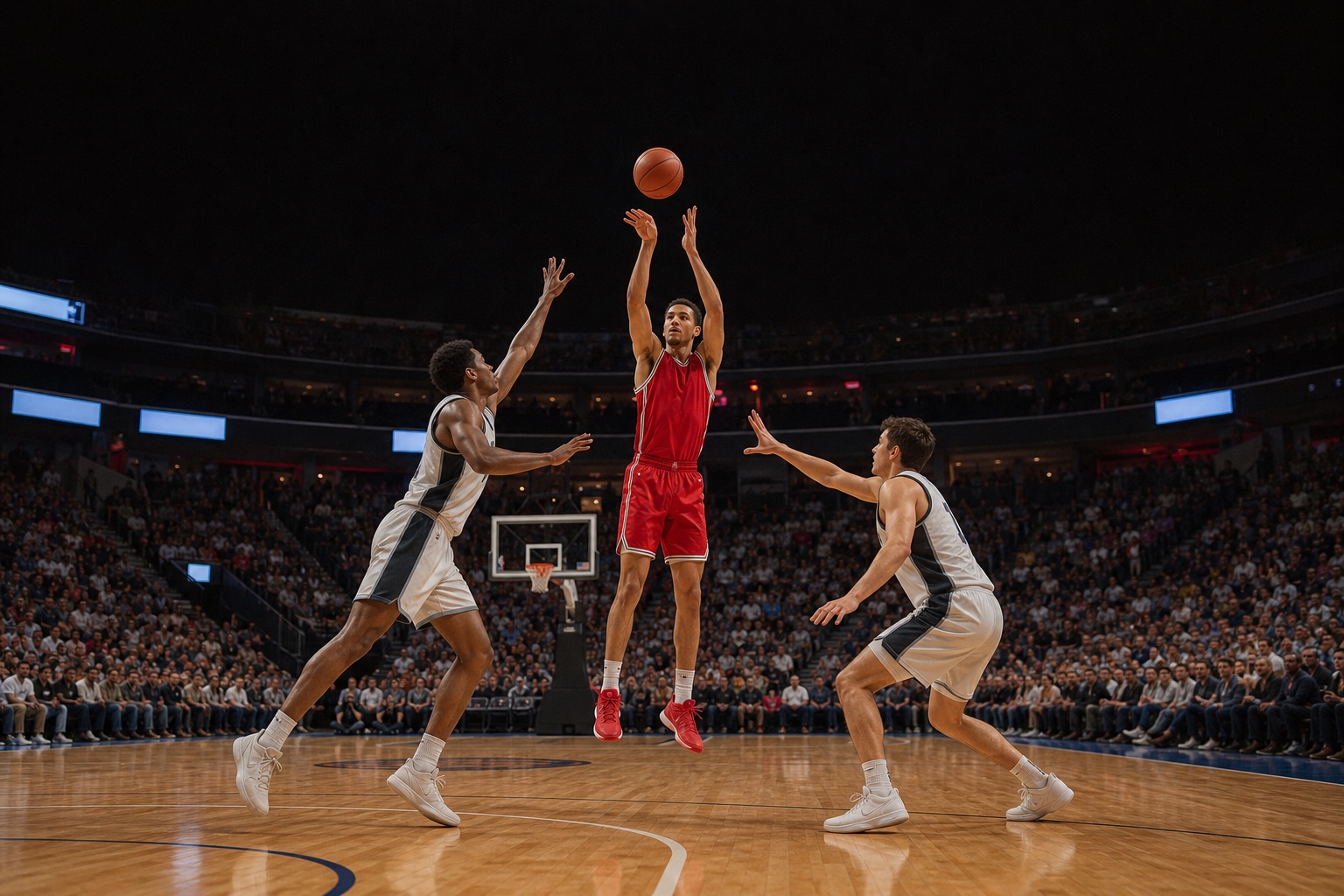
The mechanics of a shot taken over a hand
What separates a usable midrange game from a decorative one is mostly balance. A player who can rise from a controlled base, with the shoulders square and the feet under him, has a repeatable shot. One who fades to create space is trading accuracy for separation, and can only afford that trade if his release is unusually high or unusually quick.
Footwork does the rest of the work. A single dribble into a pull-up, a step-back that ends with the weight still forward, a turnaround from the post that finishes over the correct shoulder — each is a way of arriving at the same shot from a different starting position, which is precisely what makes the shot difficult to scheme against.
The midrange is not an inefficiency a team tolerates. It is an insurance policy against a defence that has taken everything else away.
What it does to the rest of the offence
A reliable midrange threat changes how a defence guards the screen. If dropping the big man surrenders a comfortable pull-up, the defence has to come higher, which reopens the roll and the pocket pass. The shot pays for itself twice: once when it goes in, and again every time the fear of it pulls a defender out of position.
The failure mode is equally clear. When a team’s second and third options start hunting the same shot in the first quarter, the offence quietly loses the possessions it needs later. The discipline is not in shooting it. The discipline is in who shoots it, and when.
What to watch tonight
Wait for the last four minutes and watch where the defence concedes ground. If it is giving up nothing at the rim and nothing behind the line, watch which player is trusted with the space in between. That decision — made in the huddle, long before the ball is inbounded — usually tells you more about the roster than the shot chart does.